Commercial Septic Tank Replacement: How Freeport, FL Business Owners Can Decide
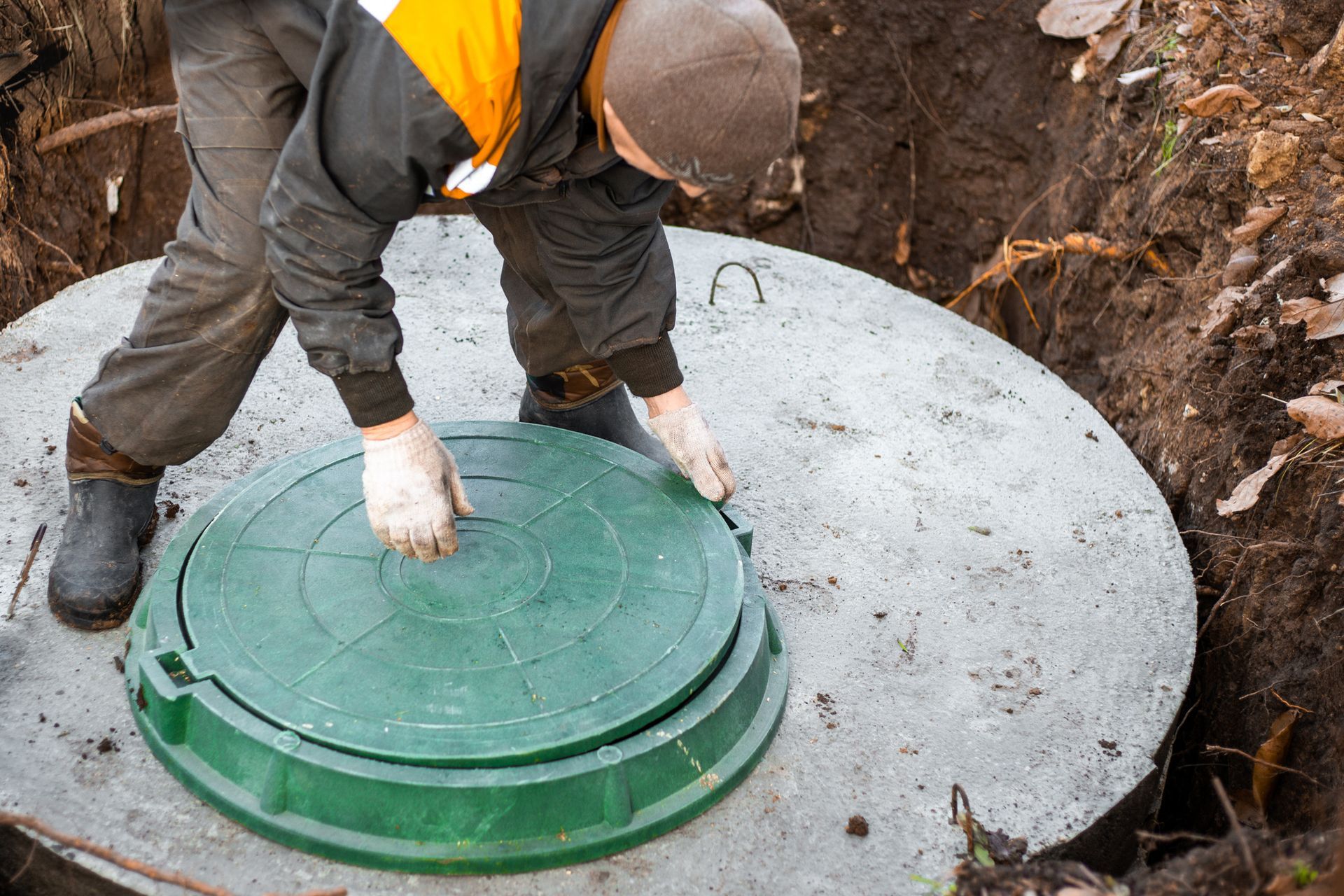
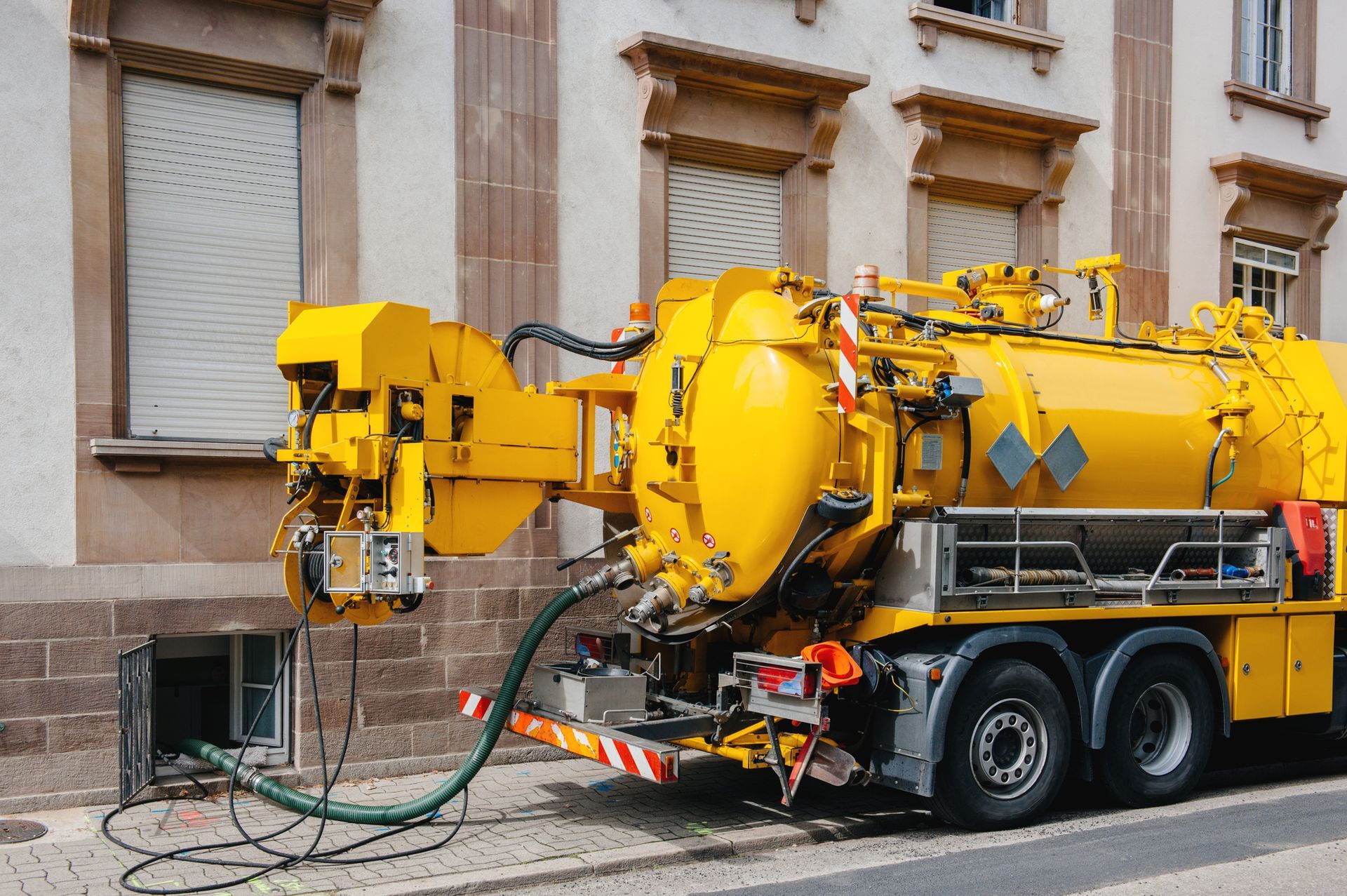
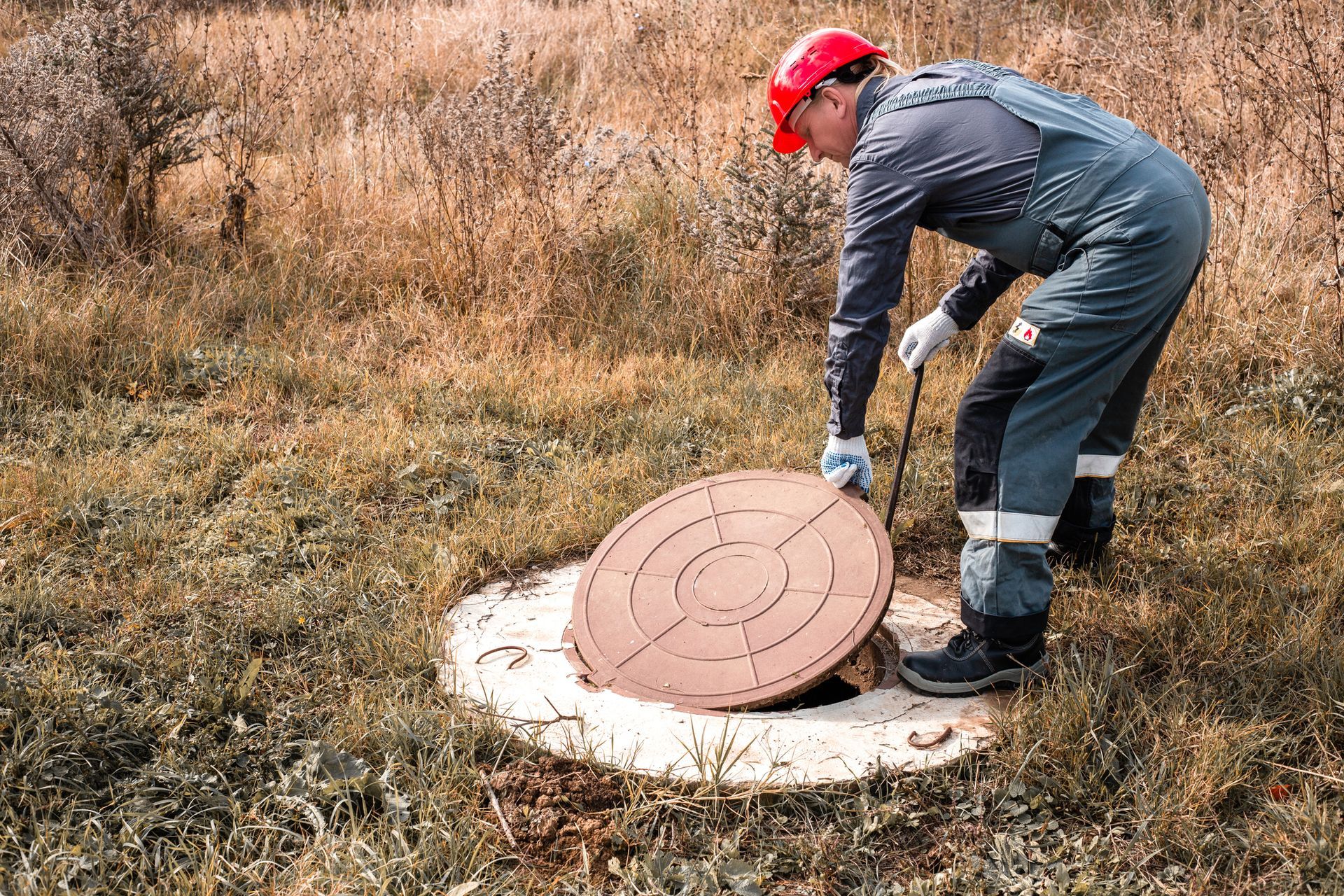
Deciding whether to repair or replace a failing commercial septic system is one of the most consequential choices a business owner can face. For commercial properties in Freeport, FL, this decision carries extra weight because commercial septic tank replacement involves state permitting, environmental oversight, and significant downtime risk. Knowing the warning signs early can save money and keep your operation running.
5 Signs Your Commercial System Needs Replacement, Not Repair
Repairs make sense for minor, isolated problems. When multiple issues appear together, replacement may be the more practical path.
Watch for these five warning signs:
- Recurring drain field failures that return within 12 to 18 months of a prior repair.
- Structural tank cracks or collapsed baffles that compromise the tank shell itself.
- Frequent sewage backups affecting multiple fixtures across the building.
- Persistent pooling water or foul odors near the drain field, even after pump-outs.
- A system that is 25 or more years old and no longer sized for current business volume.
Any one of these alone may call for a closer look. Several occurring together often tip the math toward full replacement.
When Does Replacement Become More Economical Than Repair?
A widely used industry guideline is the 50% rule: if a single repair estimate reaches 50% or more of what a new system would cost, replacement is typically the smarter investment.
For commercial properties along the SR-20 corridor in Freeport, FL, that math matters even more. Retail centers, restaurants, and light-industrial businesses in this growth area tend to have higher daily wastewater loads than systems installed 20 or 30 years ago were designed to handle. An undersized tank that needs repeated service calls can cost far more over three to five years than a properly sized commercial septic tank replacement would upfront.
What Florida DEP Regulations Mean for Freeport Business Owners
As of January 2, 2025, Walton County septic permitting shifted from the county DOH to the Florida Department of Environmental Protection (DEP) Northwest District. Business owners in Freeport, FL, now coordinate replacement permits through DEP rather than the local health office.
State rules require that commercial septic systems carry an operating permit. If a DEP inspection finds your system failing or non-compliant, the agency may require commercial septic tank replacement before you can renew that permit. Inspections can be triggered by a neighbor complaint, a routine renewal review, or a permit application tied to a building expansion.
Frequently Asked Questions
How Long Does Commercial Septic Replacement Take in Walton County?
The permitting and construction process typically runs four to twelve weeks from application to final inspection. Florida's wet season, June through September, can push water tables too high for some drain field work, so timing your project before summer can reduce delays.
Do I Need a New Operating Permit After Replacement?
Yes. After a licensed contractor completes installation, DEP issues a new operating permit following a final inspection. Commercial systems require this permit to remain legally operational.
Can I Expand Capacity During a Commercial Replacement?
In most cases, yes. Replacement also provides an opportunity to right-size capacity for current and projected business volume, rather than simply replicating the old system.
Get Expert Guidance Serving Freeport, FL
Madden Septic Service serves Freeport, FL, and the surrounding Walton County area with licensed, insured commercial septic services, including full system evaluations to help you understand your real options. Contact us today to schedule a free consultation or find us on Google to learn more.