How Often Should You Pump Your Septic Tank in Walton County, FL?
Knowing how often to pump your septic system is one of the most important maintenance decisions a Walton County, FL, homeowner can make. In this part of the Florida Panhandle, local factors like sandy soil, a warm climate, and the region's mix of full-time residents and vacation properties all affect how quickly a tank fills up. This post breaks down pumping frequency by household size, explains what makes Walton County conditions unique, and covers the real cost of skipping service.
Why Does Pumping Frequency Matter for Your Septic System?
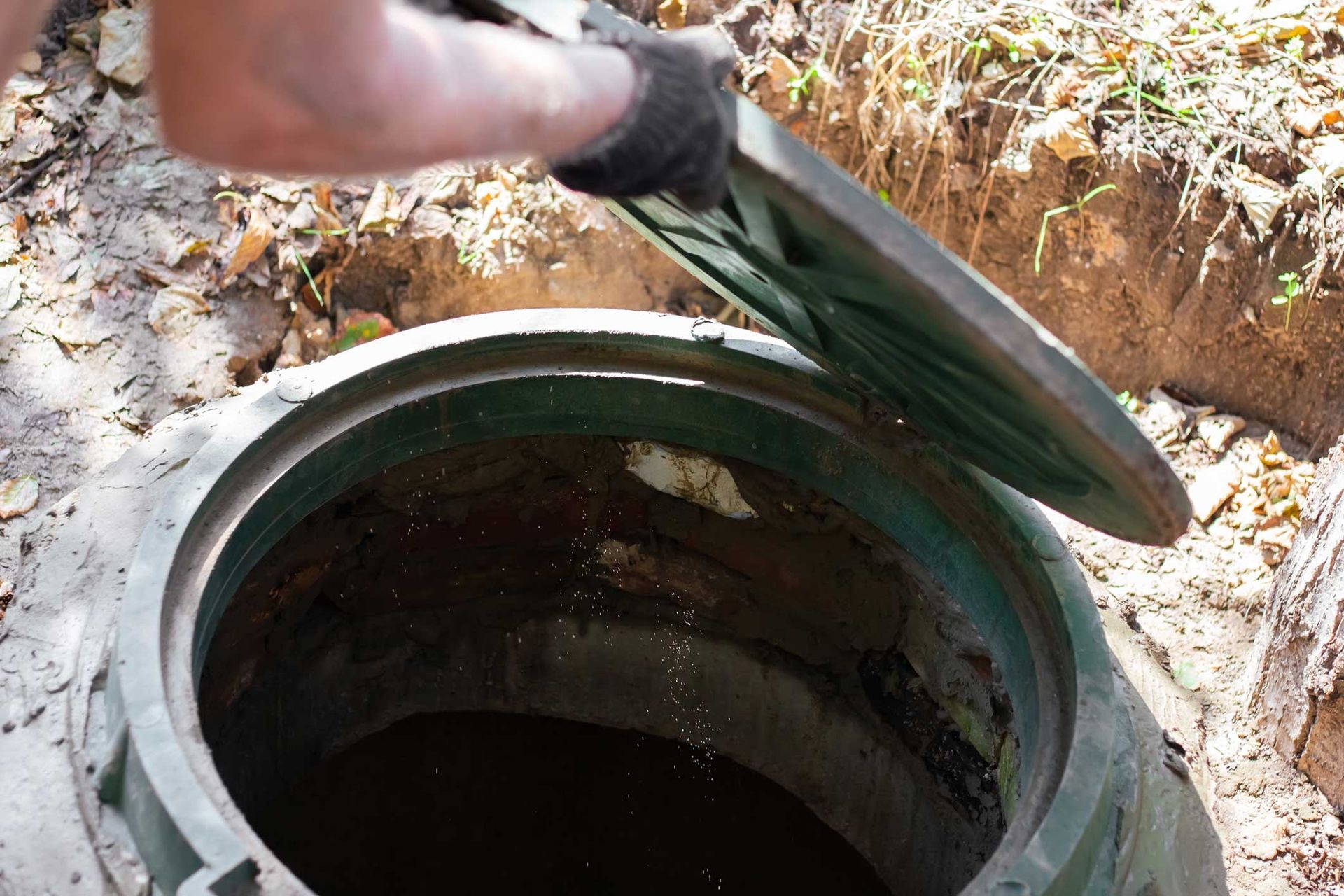
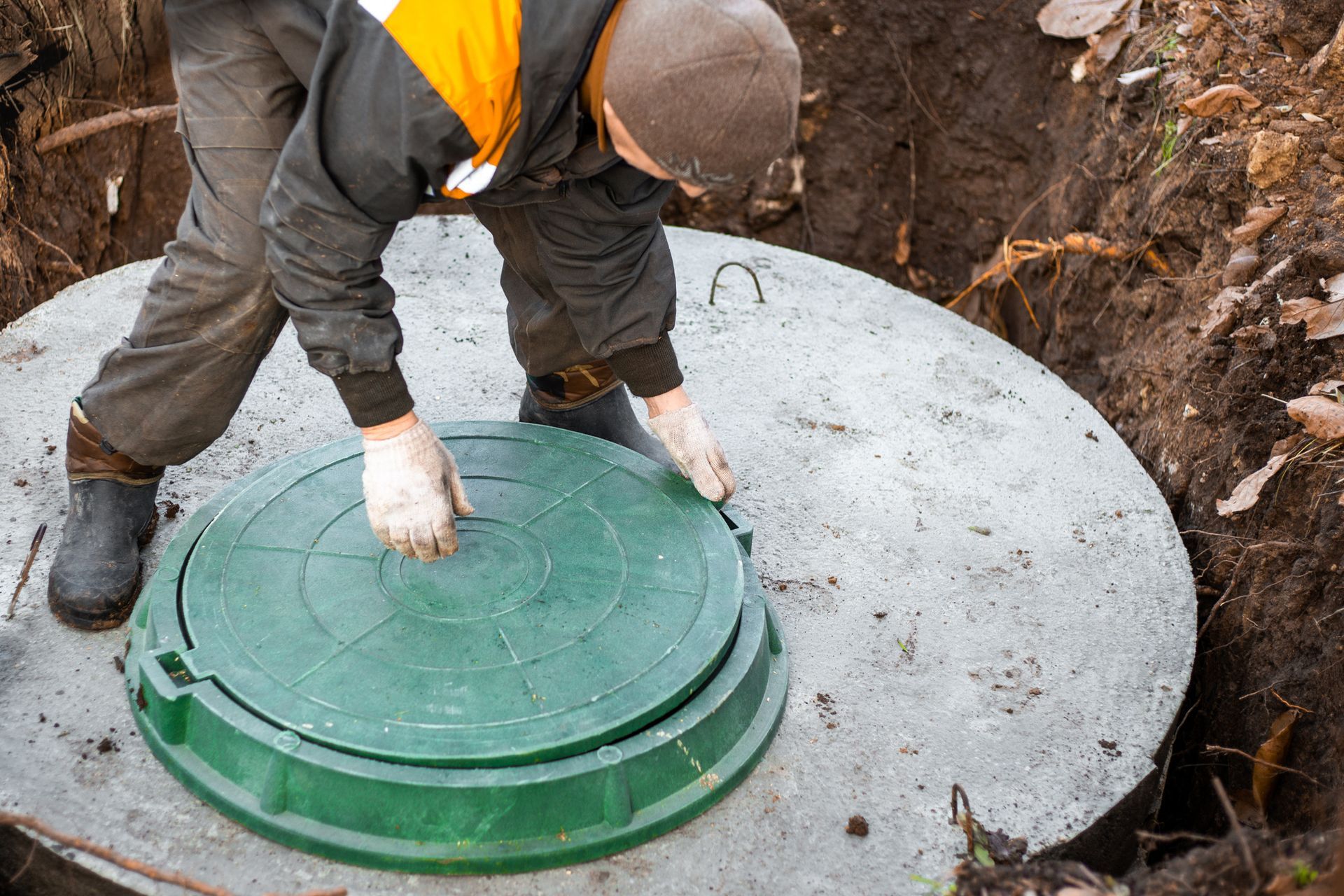
Regular pumping keeps your septic system running the way it was designed to. Every time wastewater enters your tank, solids settle to the bottom and form a layer called sludge. Over time, that sludge builds up. When it gets too high, it can push into the drain field and cause serious damage that costs far more than a routine pump-out.
Walton County sits in the Florida Panhandle, where sandy Panhandle soils and a high seasonal water table create conditions that can stress a septic system faster than in cooler, drier states. Septic system care in Walton County, FL, is not just a good habit; it is a necessary part of protecting your property and your groundwater.
How Often Should You Pump Your Septic Tank in Walton County?
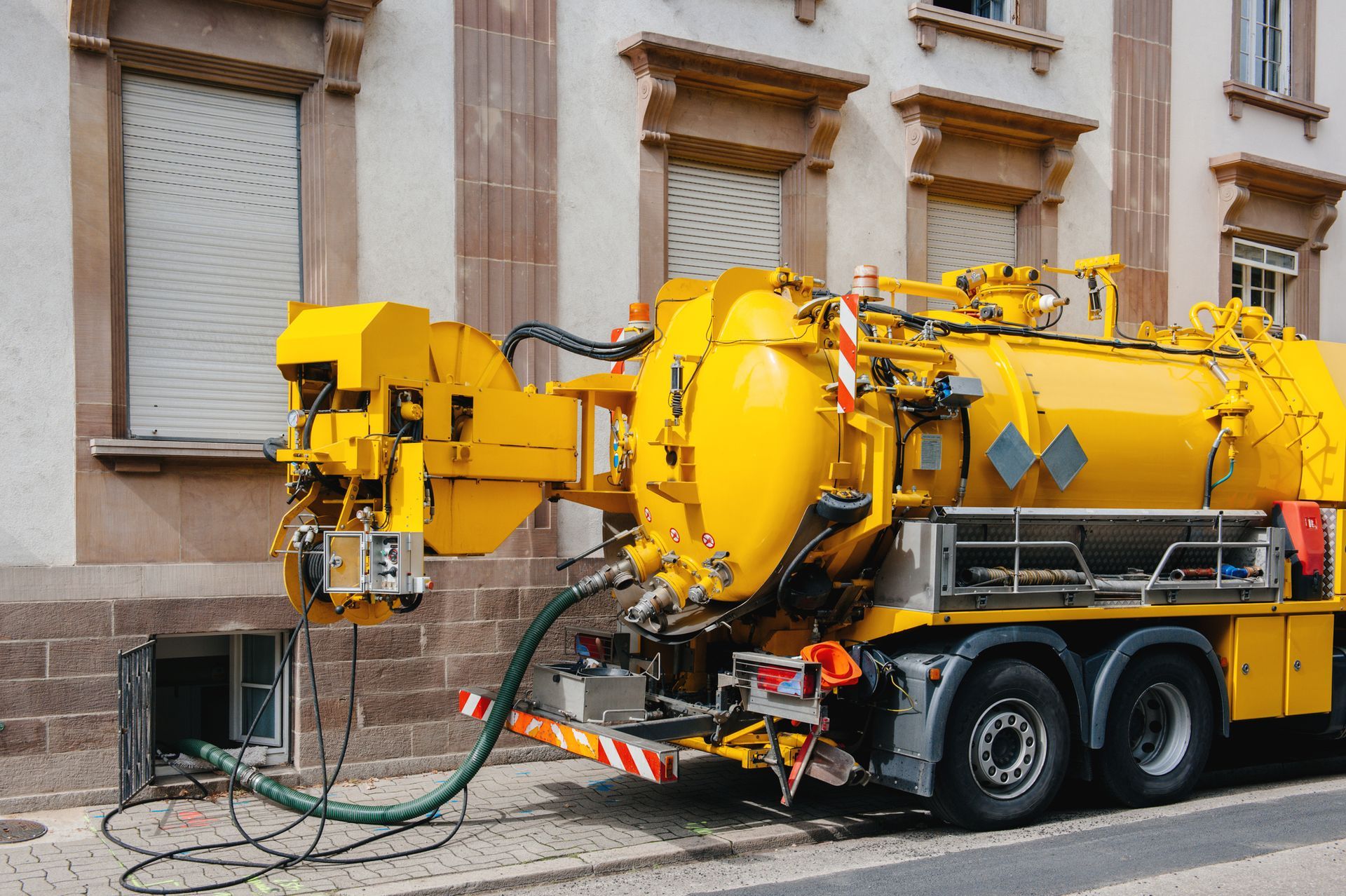
Most septic tanks in Florida should be pumped every 3 to 5 years, but that window can shrink depending on your household size and how the system is used. For Walton County homeowners, sticking to the shorter end of that range is often the smarter call given local soil and climate conditions.
Smaller households of one or two people can generally go 4 to 5 years between pump-outs, while a home with three or four residents should plan for service every 2 to 3 years. Households with five or more people may need pumping as often as every 1 to 2 years. Tank size and daily water use can shift these intervals in either direction, so treat them as a starting point rather than a fixed rule.
Walton County Soil and Climate Factors That Affect Your Schedule
Sandy Soil Drains Fast but Filters Slowly
Walton County's sandy Panhandle soil drains quickly, which sounds like a good thing. However, when wastewater moves through sandy soil too fast, it may not have enough contact time for contaminants to be properly filtered before reaching the water table below. This means an overloaded or neglected tank can become a groundwater problem faster here than in areas with denser soils.
Florida's Rainy Season Adds Pressure
Walton County typically sees its heaviest rainfall between June and September. During those months, saturated ground reduces the drain field's ability to absorb effluent at its normal rate. If your tank is already close to capacity heading into rainy season, the risk of a backup or drain field failure increases significantly. Scheduling a pump-out before summer storms arrive can help protect your system during the wettest months.
Vacation Homes and Seasonal Usage Change the Math
Walton County draws visitors from across the Southeast, especially along the 30A corridor near Santa Rosa Beach, Seaside, and Inlet Beach. If you own a vacation rental or a snowbird property, your tank may sit idle for months and then handle heavy use during peak rental season. Properties that go from low usage to hosting several guests at once can overload a tank quickly. A system at a vacation home may actually need more frequent inspections, even if total annual usage seems lower than a full-time residence.
What Happens If You Skip Pumping?
Skipping routine pump-outs is one of the most common and costly mistakes septic system owners make. When sludge levels get too high, solid waste can migrate out of the tank and into the drain field. Once that happens, the pipes in the drain field can become clogged, creating a biomat layer that blocks proper filtration. Drain field repairs or full replacements are significantly more disruptive and expensive than regular pump-outs.
Beyond the cost, a failing system can produce sewage odors in your yard, slow drains inside the home, and wet, soggy patches over the drain field area. These are signs that the system is already in distress. If you notice any of these warning signs, you can read more at 3 Signs Your Septic System Needs Repair in Walton County, FL.
Does Using a Garbage Disposal Affect Pumping Frequency?
Yes, it can. Daily garbage disposal use adds a significant amount of food waste solids to the tank. Homes that rely heavily on a garbage disposal may need to pump every 2 to 3 years rather than the standard interval, regardless of household size.
What Are the Signs That Your Tank Needs Pumping Now?
Watch for slow drains throughout the house, gurgling sounds in the plumbing, sewage odors near the tank or drain field, and any soggy or unusually green patches of grass over the drain field. These signs suggest your tank may be overdue for service.
Schedule Your Walton County Septic Pump-Out Today
Staying on a regular pumping schedule is the single best thing you can do to protect your septic system and avoid costly repairs. Madden Septic Service provides reliable septic tank pumping and maintenance throughout Walton County, FL, and the surrounding Panhandle area, with 24/7 availability and free estimates. Do not wait for a problem to develop. Visit the septic services page to learn more, or contact the team today to schedule your service. Call (850) 652-5005 any time, day or night.